
Introduction
The best Halloween photoshoot ideas are easy to understand, safe to execute, and specific enough that clients know what to bring. A strong seasonal session needs more than a costume. It needs a clear concept, a location that supports the mood, lighting that flatters faces, and a delivery plan for private or shareable images.
Use this guide to plan Halloween portraits, mini sessions, creator content, family shoots, couple sessions and graduating-student portraits without turning the set into clutter. “Seniors” below means students in their final school year, not older adults. The ideas are suggested setups; no original mini-session trial or measured result is claimed.
Halloween Photoshoot Concepts by Client Type
| Client type | Concept | Preparation | Notes |
|---|---|---|---|
| Families | Pumpkin patch story session | One clear setting | Keep posing playful and short |
| Couples | Gothic picnic or LED-lit table | Outfit and light planning | Use LED candles with secured battery compartments |
| Graduating students | Editorial costume portrait | Outfit and light planning | Build around one strong outfit |
| Kids | Trick-or-treat doorway portraits | One clear setting | Keep props lightweight and safe |
| Creators | Character-inspired content set | Outfit and light planning | Plan vertical crops and detail shots |
| Pets | Cozy pet portrait, costume optional | Outfit and light planning | Skip costumes that upset or restrict the pet |
| Friends | Haunted movie poster group | Group styling and direction | Needs styling, direction, and controlled light |
Family Halloween Session Ideas
Pumpkin patch portraits
Use pumpkins as foreground props and color accents; use a separate stable seat when seating is needed. Keep the background simple so costumes and faces remain the focus. Shoot early or late in the day for softer light.
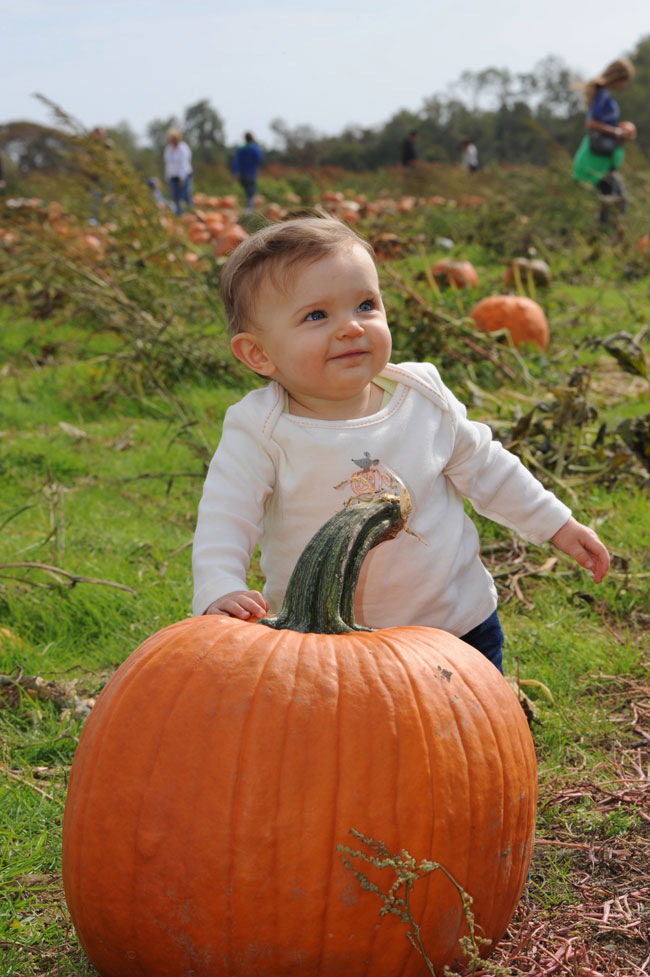
For your own pumpkin-patch sequence, try a wide frame showing the setting, a medium portrait beside the chosen pumpkin, and a close detail of a hand or costume accessory. Nikon’s article also recommends varying wide, medium and detail views to tell a story. Keep a supervising adult close to a young child rather than asking the child to balance on a pumpkin.
Front porch trick-or-treat portraits
A decorated doorway gives children a clear place to stand and makes the session feel familiar. Photograph full costume frames, close details, and candid movement.
Cozy indoor costume story
For young children, an indoor setup can be calmer than a crowded outdoor location. Use window light, blankets, simple props, and a clean background.
Couple and Engagement Halloween Ideas
Gothic picnic
Use dark fabric, florals, fruit, books, and warm battery-powered lanterns. Keep the styling romantic rather than messy. Direct hands, eye contact, and small movements so the photos feel connected.
Foggy evening walk
If natural mist is present in a permitted, familiar location, backlight can make it more visible. Keep subjects on a clear path away from traffic and stop if visibility deteriorates. Skip smoke devices and fog machines for this simple session; create mood with background light, costume and framing instead.
Costume editorial
Choose one reference direction: vintage vampire, haunted ballroom, witchy forest, black-and-white cinema, or dark academia. A focused idea photographs better than a pile of unrelated props.
Graduating-Student and Creator Halloween Ideas
One-costume hero portrait
Build the shoot around one outfit and one location. Use strong posing and clean light so the final image feels polished instead of like a casual party snapshot.
Mirror or reflection setup
Use a mirror, window, or shiny surface for a slightly unsettling portrait. Watch for unwanted reflections, camera visibility, and distorted faces.
Colored light portraits
Orange, red, purple, or green gels can create a Halloween mood quickly. Use colored light as an accent rather than flooding the whole face unless the client wants a stylized look.
Props, Makeup, and Safety
Choose a few manageable props: pumpkins, battery-powered lanterns, hats, capes, florals, books, baskets or textured fabric. Check each against the people or animals on set, the walking route and the location rules; a prop is optional if it makes the session harder.
Safety checklist
- Use battery-powered candles rather than open flame, especially around costumes and children. Keep batteries inaccessible in secured compartments.
- Keep walkways clear of cords, pumpkins and props; keep costumes from dragging underfoot.
- Use makeup intended for skin and follow its directions, including any restriction on use near the eyes. Do not assume comfortable-feeling face paint is suitable for every person or body area.
- Keep vision and breathing clear. Remove masks for walking between frames and avoid asking children to move with blocked vision.
- Bring wipes appropriate for the products used, clips, tape for securing equipment, water and backup layers; keep small supplies away from children and pets.
- Check venue access and photography rules before using farms, parks, cemeteries, studios or private property. Agree on the client’s participation and sharing preferences; requirements vary by location and use.
- Keep child and pet sessions brief, allow breaks and stop when the subject is uncomfortable. A pet portrait does not require a costume.
The CPSC’s Halloween guidance supports flameless lights, clear routes and costume fit/visibility checks. For makeup, read the FDA’s novelty makeup advice. The ASPCA’s costume guidance says to skip outfits that distress a pet or restrict movement, hearing or breathing. These are preparation checks, not a guarantee that every setup is safe.
Lighting Halloween Photos
Start with readable faces, then add atmosphere to the background. A dark background does not require an underexposed face. For a family setup, try soft window light or open shade; for a controlled indoor portrait, begin with one diffused light before adding colored accents or battery-powered practical lights.
- Make a neutral frame. Put the main light slightly to one side, at a comfortable height, and keep the face and costume clear. Ask the subject to hold still briefly while you check focus and exposure.
- Add one mood element. Put a colored light on the background or a battery lantern in the scene. Check that an orange or purple accent has not overwhelmed the skin or important costume detail.
- Match shutter speed to movement. A still prop can tolerate a longer exposure than a moving child. If faces blur, shorten the exposure and add light or raise ISO as needed; camera stabilization does not freeze the subject.
- Inspect before repeating. Check the eyes, mask reflections and bright prop highlights at useful magnification. Take both a full outfit frame and a closer portrait; keep the background setup consistent for the remaining clients.
This is a proposed setup sequence, not a set of tested settings. Light distance, power, aperture and shutter speed depend on the room, camera and movement. Nikon’s low-light Halloween guide discusses aperture, ISO, shutter speed and flash. Prioritize clear moving subjects over a long exposure used only to show decorations.
For the separate pumpkin-head concept, see the pumpkin head photoshoot tutorial; this article does not instruct anyone to wear a real carved pumpkin. For broader event planning, the event photography guide is a useful next step.
Delivery, Privacy, and Usage
Agree on the intended audience and usage before sharing. A family may want a gallery for invited viewers rather than a public portfolio post. Commercial work may need the client’s campaign approval; a creator may need vertical crops and full-resolution finals. Gallery delivery and permission to publish are separate decisions.
SendPhoto’s gallery delivery can present seasonal files in collections. Name review alternatives and approved exports clearly. Download control lets you enable or disable gallery downloads; it does not decide which edit is approved. Use separately configured galleries when proofs and final deliverables need different access.
Password protection adds a password check, but viewers can forward a link and password or copy an image they can see. Do not describe it as a child-privacy guarantee or a substitute for applicable participation and publication permissions. Confirm who can receive the link and which images, if any, you may use publicly.
Mini Session Planning Checklist
For a suggested compact session, plan four roles: full costume, face or expression, prop detail, and an interaction with a parent, partner or friend. This is a shot-list proposal, not a promise of a particular duration or number of deliverable files.
- Choose one visual theme and one backup option.
- Limit prop changes between clients.
- Create a short shot list for each booking.
- Prepare vertical and horizontal compositions.
- Build a weather or indoor backup plan.
- Keep cleanup fast between sessions.
- Deliver images in organized collections.
FAQ
What should clients wear for Halloween photos?
Ask clients to choose one clear costume or color direction. Outfits photograph better when they fit well, allow movement, and do not hide faces unless masks are part of a specific portrait.
How do I make Halloween photos look spooky but flattering?
Light the face first, then add mood with background, props, color, shadows, and editing. If the face light is poor, the image may feel messy instead of cinematic.
Are Halloween mini sessions worth offering?
They may fit a repeatable concept, but the economics depend on your bookings, preparation, venue, reset time, editing and delivery costs. Work out the price and schedule before advertising a package; keep the concept focused rather than promising the same result for every client.